

















Centuries of trade and colonial power transformed Colombo from a small coastal port into the economic engine of South Asia. Its strategic location on the Indian Ocean made it a vital stop on the “Maritime Silk Road”, attracting merchants from across the globe.
The Rise of the Ancient “Kolon Thota”
Long before European influence, Colombo was known as Kolon Thota. Arab, Roman, and Chinese traders docked here to exchange gold and ivory for the island’s world-famous cinnamon. This early era established the city as a permanent commercial hub, shifting the economic focus from inland kingdoms to the coastline.
Colonial Fortifications and Modern Finance
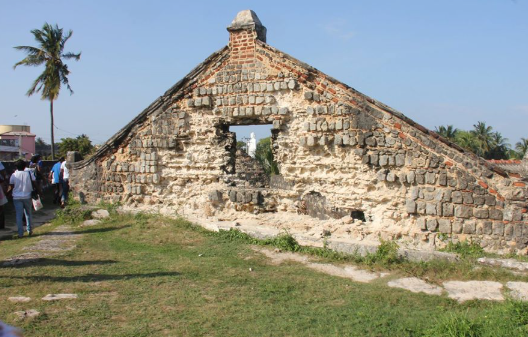
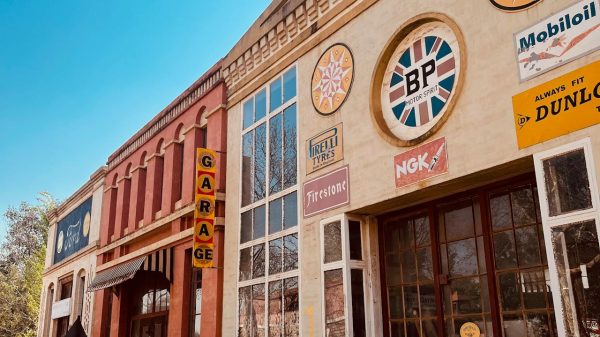
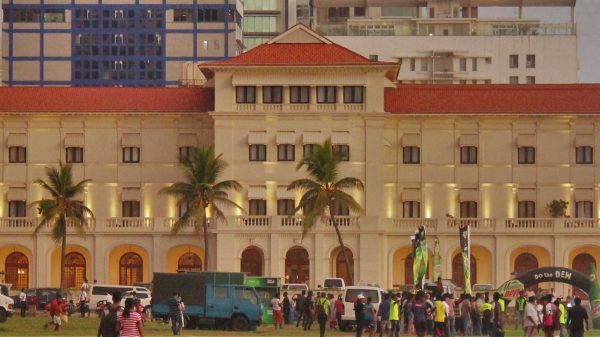
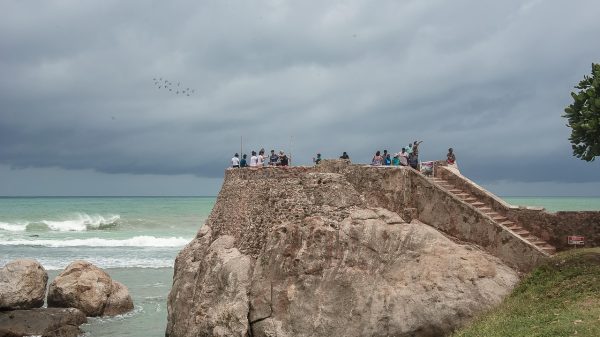
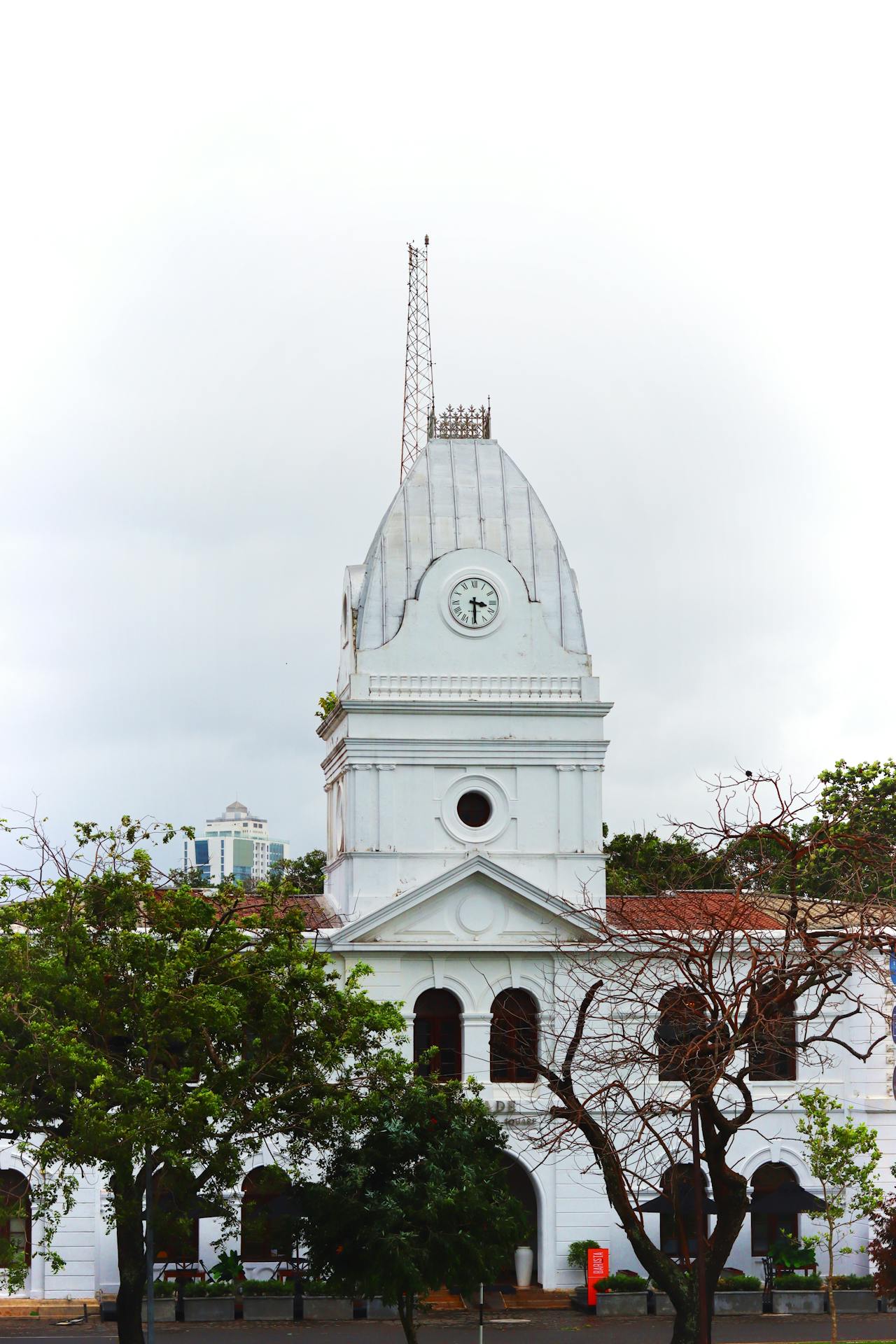
The Portuguese and Dutch realised that controlling Colombo meant controlling the spice trade. They built a massive fort to protect their warehouses, a site that has now evolved into the city’s premier financial district. Today, travellers staying at a Colombo city hotel can still walk among the 17th-century Dutch Hospital and the British-era banks that founded the local economy.
A Modern Global Metropolis
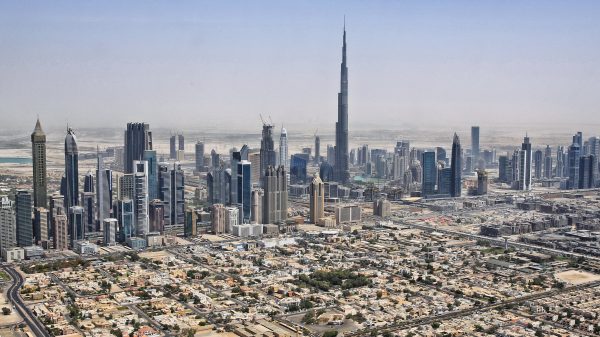
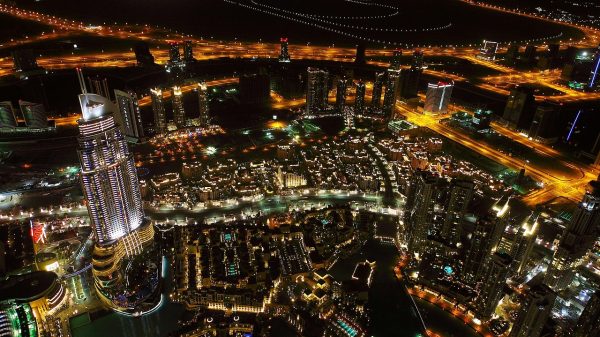
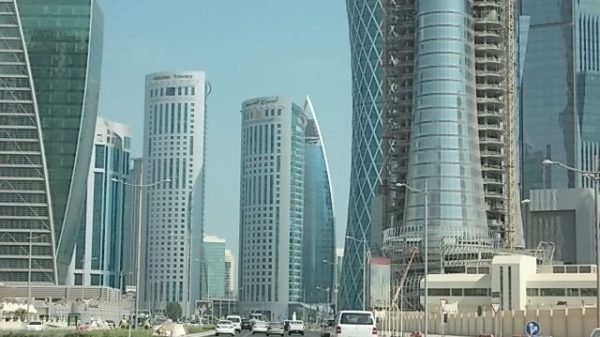
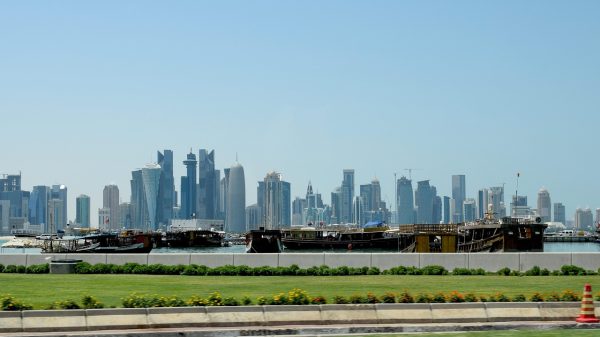
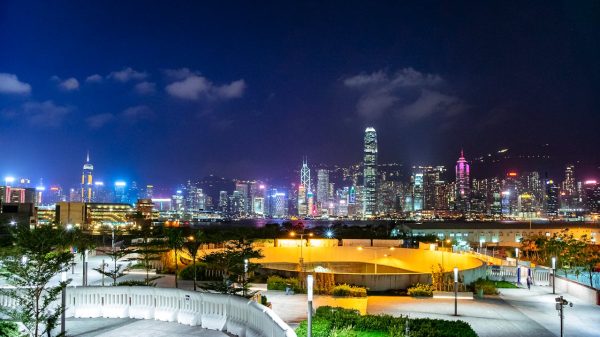
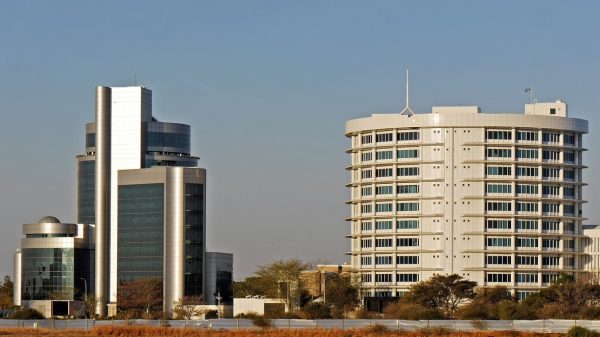
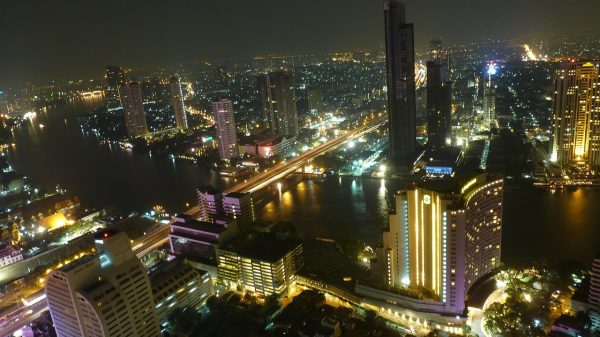
The city continues to reinvent itself, most recently through the massive Port City reclamation project. Modern landmarks like NH Collection Colombo provide a perfect example of this growth, offering high-end hospitality in a skyline that was once just a collection of mud-walled trading posts.
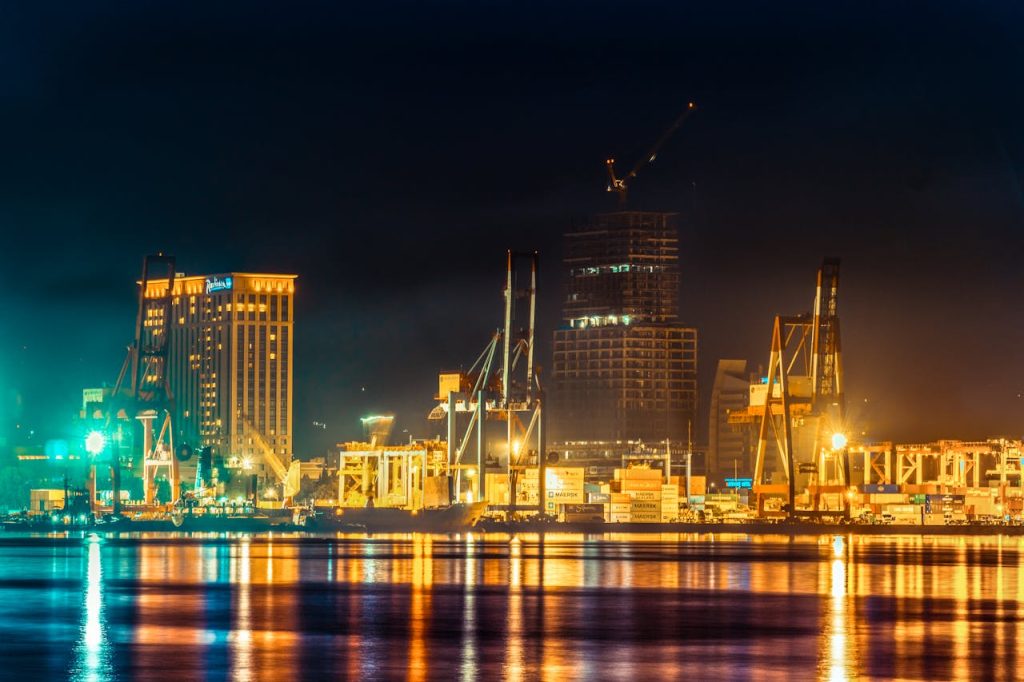
Image by Pexels
British Infrastructure and the Tea Boom
In 1815, the British made Colombo the capital of Ceylon. They built an artificial harbour and an extensive railway network to transport tea and rubber from the hills. This infrastructure changed Colombo’s role from a simple military outpost to a sophisticated administrative and industrial centre.