






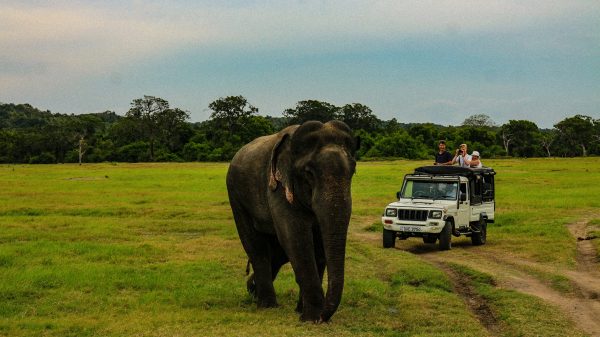

























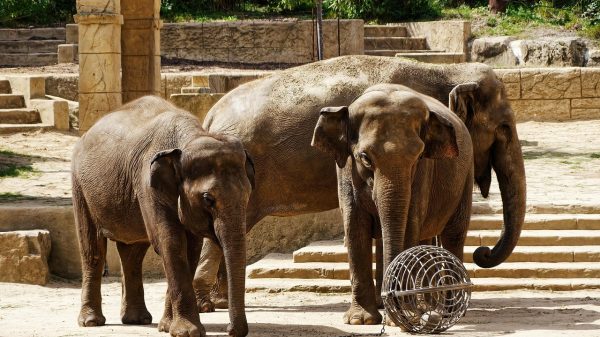






















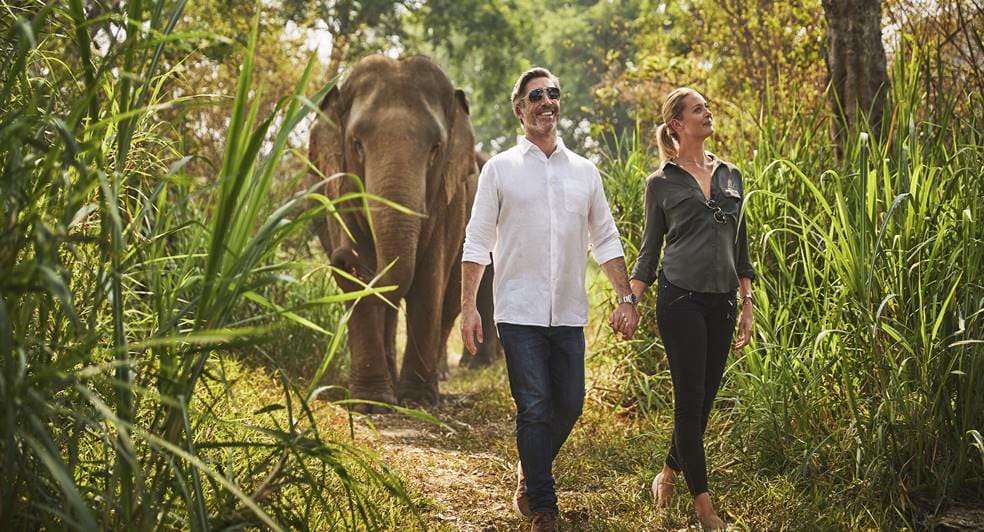
In and around Chiang Rai and the broader Northern Thailand region, a growing number of sanctuaries are making that kind of experience possible, and doing it in a way that actually puts the elephants first. There are a few encounters in travel that stay with you quite like spending a morning beside an elephant in the Thai jungle.
The Real Concern of Ethics
Thailand has a complicated history with elephant tourism, and it’s worth understanding briefly before you book anything. Most rescued elephants in sanctuaries today come from logging, street begging, trekking camps, or circuses — many carrying physical and psychological injuries from years of exploitation.
Hallmarks of Good Experience
The signs of a healthy, well-run sanctuary are straightforward once you know them: elephants dust bathing, grazing, taking slow walks, and engaging in social bonding. Small groups reduce pressure and noise, trained guides maintain respectful distances, and mahouts use calm, positive handling throughout. Consider places like Anantara Golden Triangle Elephant Camp & Resort, which offers an ethical and responsible experience for those seeking an elephant camp in Thailand.

Image via Anantara Golden Triangle
The Experiences to Seek
A typical day at an ethical sanctuary near Chiang Rai involves feeding the elephants fruit, observing them forage through the jungle, watching them enjoy a mud bath or swim in a river, and learning about Karen hill tribe culture from the families who have lived alongside these animals for generations.
Overnight Concerns
For those who want to go deeper, overnight programs offer something genuinely different. After spending the day with the elephants, overnight guests are typically taken to remote mountain villages, staying in hillside huts above sweeping valley views, with guides cooking meals and sharing stories under the stars.