





























Located within a protected zone designated by the International Whaling Commission, Sri Lanka is a playground for incredible marine life. Here’s how to experience the best of the surrounding seas, with a guide to whale and dolphin watching in Sri Lanka.
Ethical Tours: What to Expect
Beyond the experience, the most important thing to look out for is ethical operation. Not every tour is conducted legally, and not every tour employs ethical practices. Reputed operators like Delmege Tours offer excursions that prioritise the well-being of the animals while maintaining safe distances to minimise distress.
Preparation & Prices
Before you go dolphin and whale watching in Sri Lanka, be sure to bring all the essentials and appropriate attire. Wear comfortable shoes and clothing suited for the warm weather, and bring along a water bottle and motion sickness medication as added measures.
Mirissa
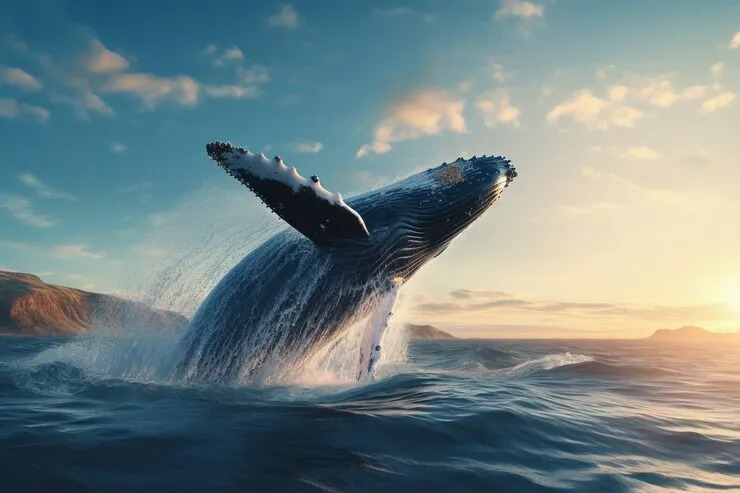
Situated on the southern tip of the island, Mirissa boasts some of the best whale and dolphin sightings around the island. Visit during the migratory period (November to April) to spot blue whales, sperm whales, baleen whales, fin whales, orcas, and dolphins.
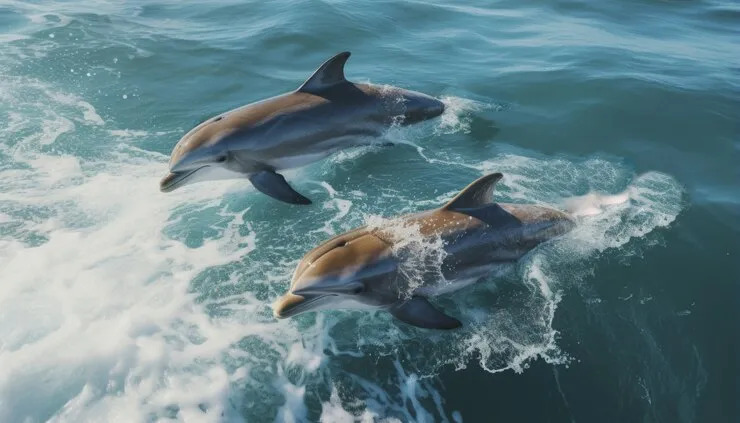
Image via Delmege Tours
Kalpitiya
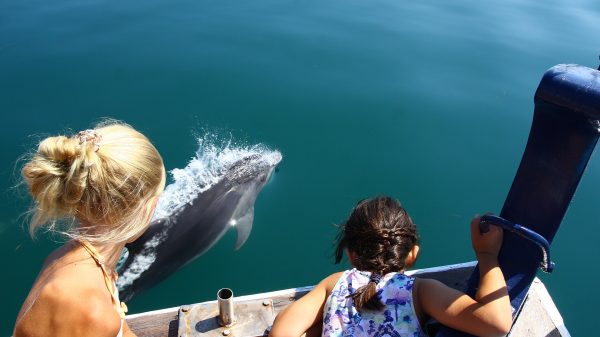
While Mirissa takes the crown for the most frequent whale sightings, Kalpitiya is one of the best destinations for encounters with dolphins. The area is a paradise for bottlenose and spinner dolphins, often found accompanying tour boats into the horizon.
Trincomalee
With a gorgeous harbour and stunning coastline, Trincomalee offers breathtaking sightings of blue whales. These majestic creatures are often found in the waters from April to October, when whales begin migrating to the East Coast. Visit in May or September for more frequent encounters.